
Why Local Search Still Fails Small Businesses and Shoppers
Local search remains fragmented and hard to trust. Discover what customers and small businesses need from a better local commerce ecosystem.
The Local Marketplace Is More Fragmented Than It Looks

For many shoppers, finding a nearby product or service still means searching in several places at once. A bakery may promote today’s availability on Instagram, a cleaner may rely on a neighborhood messaging group, and a repair professional may appear only in a general directory. Search engines can surface these options, but results often lack current prices, real-time availability, service areas, or a clear way to book. Local offerings exist, yet they remain scattered across platforms that were not designed to work together.
This fragmentation creates an unnecessary burden for both sides of the transaction. Customers must compare incomplete profiles, send multiple messages, and repeat the same questions before deciding. Small businesses, home-based sellers, and independent providers must maintain several profiles while trying to respond quickly across different channels. Traditional local search can identify what is nearby, but it does not always explain what is available now or which provider is best suited to a specific need. As a result, local commerce loses valuable opportunities before a customer and provider ever connect.
Fragmented Discovery Weakens Comparison, Trust, and Conversion

When local search lacks consistent information, comparison becomes difficult. One provider may list a starting price while another shares only photos. Some profiles show reviews from months ago, while others provide no evidence of experience, licensing, or verification. Customers cannot easily judge quality, reliability, distance, or availability from disconnected listings. This uncertainty matters especially when the purchase is urgent, personal, or time-sensitive—such as finding a birthday cake for tomorrow, booking a last-minute photographer, or arranging a same-day repair.
The cost is not limited to customer frustration. Small businesses lose leads because they are hard to discover at the exact moment demand appears. A capable provider may be nearby but invisible outside a private group or an infrequently updated social profile. Even when a shopper finds the right business, too much friction between discovery and contact can cause the sale to disappear. Better customer discovery requires more than map pins and keyword matches. It requires structured profiles, useful filters, current availability, transparent reviews, and a direct path from search to conversation, booking, or order.
What a More Useful Local Search Ecosystem Should Prioritize
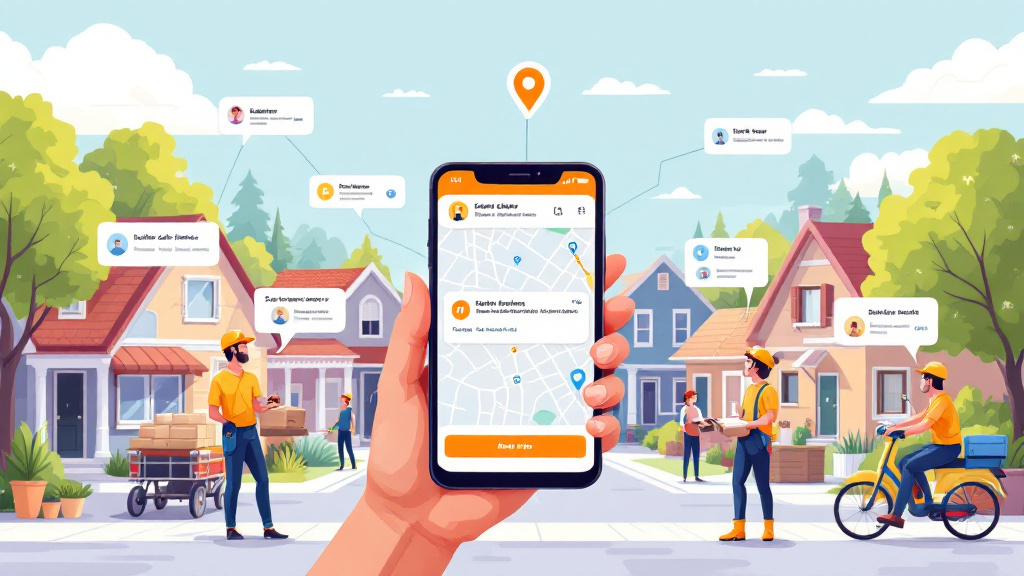
A stronger local commerce ecosystem should connect discovery with action. Search should help customers find providers by category, location, distance, price, ratings, photos, service area, and availability. Profiles should give small businesses a practical home for their offerings, hours, prices, reviews, verification details, and booking options. Geospatial technology can make results more relevant, but relevance should include more than physical proximity: a provider must also match the request, timing, budget, and service requirements.
The next step is making urgent demand easier to fulfill. With a “Need It Now” request, a customer can describe a specific need and share it with relevant nearby providers. Verified businesses can respond with availability and quotes, allowing the customer to compare options and place an order or booking directly. This model reduces search friction while creating qualified opportunities for independent providers. Local search works best when it is designed around real outcomes—not merely visits to a listing. By combining trusted profiles, direct communication, matching, and transactions, platforms such as LocalLoop can make local commerce more visible, comparable, and responsive.